

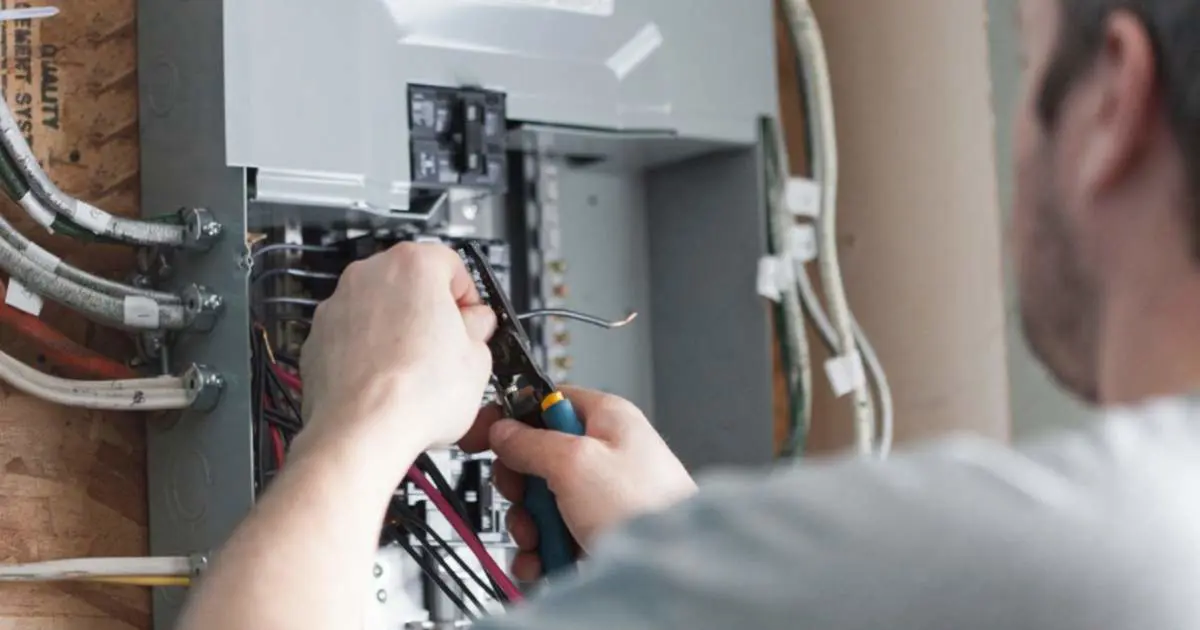
Your home's electrical system is like the nervous system of your house – it powers everything from your morning coffee maker to your evening entertainment. But if you're living in an older home in Massachusetts or New Hampshire, your electrical system might be working harder than it should. Outdated wiring and electrical panels weren't designed to handle today's power demands, and recognizing the warning signs early can save you from costly repairs, dangerous situations, and endless frustration.
Don't wait for a dangerous electrical emergency – if you're experiencing any warning signs, contact MVP Home Services today through our online contact form or call (978) 344-1215 for a professional electrical assessment.
Your Circuit Breaker Trips Frequently
When circuit breakers trip occasionally, it's actually your electrical system doing its job – protecting your home from overloads. However, if you find yourself constantly resetting breakers, your electrical panel is telling you it can't handle your power needs.
Frequent tripping usually happens when you're drawing more electricity than your circuits can safely carry. This might occur when you plug in a space heater while the dishwasher is running, or when multiple appliances operate simultaneously. While older homes typically have 100-amp electrical panels, today's households often need 200-amp service to accommodate modern appliances, electronics, and lighting systems.
If you're living in Cambridge, Lowell, or other areas with older housing stock, your home might still have the original electrical panel from decades ago. These older panels simply weren't designed for the electrical demands of contemporary life, where we charge multiple devices, run energy-efficient appliances, and use more lighting throughout our homes.
You Still Have a Fuse Box Instead of Circuit Breakers
Fuse boxes were the standard in homes built before the 1960s, but they're considered outdated and potentially unsafe by today's standards. Unlike circuit breakers that can be reset with the flip of a switch, fuses must be replaced each time they blow out.
More importantly, fuse boxes often encourage dangerous practices. Some homeowners install fuses with higher amperage ratings than the wiring can safely handle, essentially bypassing the safety mechanism that protects against electrical fires. This creates a serious fire hazard that puts your entire home at risk.
Modern circuit breaker panels offer superior protection, easier maintenance, and the ability to handle higher electrical loads safely. If your Lynn, Malden, or Medford home still relies on an old fuse box, upgrading to a modern electrical panel should be a top priority.
Your Lights Flicker or Dim When Appliances Start
Notice your lights dimming when the air conditioner kicks on or the washing machine starts its cycle? This flickering indicates your electrical system is struggling to provide consistent power to all your home's components.
Light flickering occurs when large appliances draw significant power during startup, temporarily reducing the electricity available for other circuits. While brief dimming might seem harmless, it signals that your electrical system lacks the capacity to meet your home's demands efficiently.
This issue is particularly common in older homes throughout Peabody and Waltham, where electrical systems were designed for fewer and less power-hungry appliances. Modern homes typically separate lighting circuits from appliance circuits to prevent this problem, and upgrading your electrical panel can provide the same benefit.
You Don't Have Enough Outlets
If extension cords and power strips are permanent fixtures throughout your home, you're likely dealing with an outdated electrical layout. Older homes were built when households had far fewer electrical devices, so they often have minimal outlet placement.
Common outlet-related problems include:
- Running extension cords across walkways or under rugs
- Daisy-chaining multiple power strips together
- Using outlet splitters in every available socket
- Having only one or two outlets per room
These solutions might seem convenient, but they create safety hazards and indicate your electrical system needs modernization. Extension cords and power strips are designed for temporary use, not as permanent electrical solutions.
Adding outlets requires updating your home's wiring and potentially upgrading your electrical panel to handle the increased load. Professional electrical services can design an outlet layout that meets your family's actual needs while maintaining safety standards.
Your Electrical Panel Uses Outdated Technology
Several types of electrical panels are now considered unsafe or obsolete and should be replaced immediately. These panels were manufactured with design flaws or materials that pose serious safety risks.
Panels that require immediate replacement include:
- Federal Pacific Electric (FPE) panels – These panels from the 1950s-1980s have circuit breakers that may not trip properly during overloads
- Zinsco panels – Popular in the 1970s, these panels are prone to overheating and electrical arcing
- Split-bus panels – These older designs lack a main shutoff switch and don't meet current electrical codes
If your home has any of these panel types, replacement isn't just recommended – it's essential for your family's safety. Modern electrical panels include advanced safety features, proper grounding systems, and the capacity to handle contemporary electrical demands.
Insurance companies are increasingly aware of these problematic panels, and some may require replacement before providing coverage or may charge higher premiums for homes with outdated electrical systems.
You Experience Electrical Shocks or See Sparks
Any electrical shock or visible sparking is a serious warning sign that demands immediate attention. These symptoms indicate dangerous electrical faults that could lead to fires or electrocution.
Electrical shocks from appliances, switches, or outlets suggest problems with grounding or insulation in your home's wiring. While minor static shocks are normal, any shock that's noticeable or painful indicates a potentially dangerous situation.
Sparks from outlets when plugging or unplugging devices, scorch marks around electrical fixtures, or the smell of burning plastic are emergency situations. These signs point to arcing electricity, overheated wiring, or failing electrical connections that require professional intervention.
Your Home Has Outdated Wiring
The type of wiring in your home significantly affects both safety and performance. Homes built before 1970 may have aluminum wiring, which expands and contracts more than copper wiring, leading to loose connections and potential fire hazards.
Even older homes might have knob-and-tube wiring, which lacks grounding and uses outdated insulation methods. While this wiring might still function, it wasn't designed for modern electrical loads and doesn't meet current safety standards.
Modern copper wiring with proper grounding provides safer, more reliable electrical service. If you're unsure about your home's wiring type, a professional electrical inspection can identify potential problems and recommend appropriate upgrades.
Get Professional Help for Your Electrical Upgrade Needs
If you've recognized any of these warning signs in your Massachusetts or New Hampshire home, don't wait to address them. Electrical problems rarely improve on their own and often worsen over time, creating increasingly dangerous conditions for your family.
MVP Home Services provides comprehensive electrical system evaluations and upgrades throughout Cambridge, Lowell, Lynn, Malden, Medford, Peabody, and Waltham. Our experienced electricians can assess your current system, identify safety concerns, and recommend solutions that meet your family's needs and budget.
Contact us today through our online contact form or call (978) 344-1215 to schedule your electrical system inspection.