

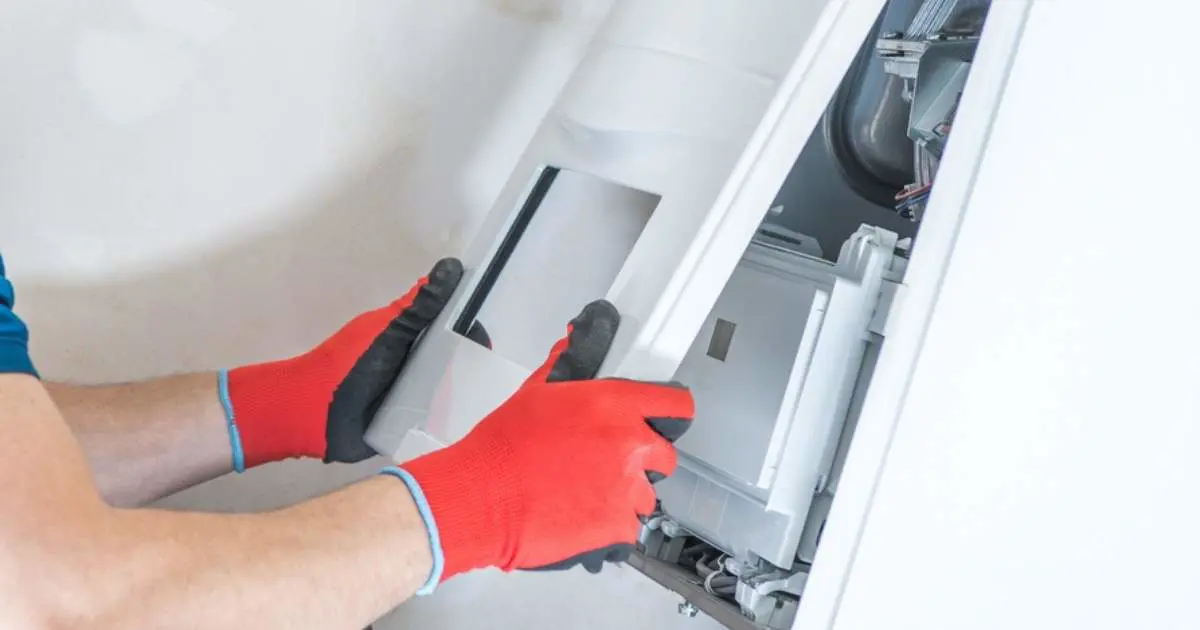
Your heating system works hard to keep your Massachusetts or New Hampshire home comfortable through cold winters, but like any major appliance, it won't last forever. Recognizing the signs that it's time for a replacement can save you from unexpected breakdowns, rising energy bills, and uncomfortable nights when temperatures drop.
Need immediate heating system help? Don't wait for a complete breakdown – contact our team today at (978) 344-1215 or through our online contact form for expert guidance on your heating system replacement.
Age Is More Than Just a Number
Most heating systems have a predictable lifespan that depends on the type of unit and how well it's been maintained. Understanding where your system falls in this timeline can help you plan ahead.
Furnaces typically last 15 to 20 years, while boilers can often run effectively for 20 to 30 years. Heat pumps generally need replacement after 10 to 15 years of service. If your system is approaching or has exceeded these age ranges, it's worth evaluating its performance and efficiency.
Older systems not only become less reliable but also less efficient. A furnace that's 15 years old operates significantly less efficiently than when it was new, meaning you're paying more to heat the same space.
Rising Energy Bills Tell a Story
One of the clearest indicators that your heating system needs attention is a steady increase in your energy costs. When your system starts working harder to produce the same amount of heat, your monthly bills reflect that extra effort.
Compare your current heating bills to those from previous years during similar weather conditions. If you notice a pattern of increasing costs without corresponding increases in usage or energy rates, your system is likely losing efficiency. This inefficiency often signals that major components are wearing out and the system is struggling to maintain performance.
Even small increases in monthly costs can add up to significant expenses over a heating season, making replacement a financially sound decision in many cases.
Frequent Repairs Signal Bigger Problems
When your heating system requires constant attention from service technicians, it's trying to tell you something important. Frequent breakdowns and repair calls indicate that multiple components are failing or that the system is under stress.
Common repair patterns that suggest replacement time:
- Needing service calls more than twice per heating season
- Replacing the same components repeatedly within a few years
- Repair costs that exceed 50% of a new system's value in a single year
- Multiple different components failing within a short timeframe
The cost of frequent repairs often exceeds the investment in a new, reliable system. Additionally, the inconvenience of repeated service calls and the risk of being without heat during cold weather make replacement the more practical choice.
Comfort Issues Throughout Your Home
A properly functioning heating system should maintain consistent temperatures throughout your living space. When you start noticing significant temperature differences between rooms or areas of your home, your system may be struggling to distribute heat effectively.
Cold spots in certain rooms, difficulty reaching your thermostat's set temperature, or rooms that feel stuffy while others remain cold all indicate distribution problems. These issues can stem from failing ductwork, a weakening blower motor, or an undersized system that can no longer meet your home's heating demands.
Poor air quality, including excessive dust or humidity problems during heating season, can also indicate that your system's filtration and air handling capabilities are declining.
Strange Sounds and Unusual Behavior
Your heating system should operate relatively quietly, with only the normal sounds of air moving through ducts or the gentle cycling of components. New or increasingly loud noises often signal mechanical problems that may require system replacement.
Warning sounds that deserve attention:
- Banging, clanging, or grinding noises during operation
- Whistling sounds that indicate air leaks or pressure problems
- Clicking or rattling that suggests loose or failing components
- Rumbling sounds that could indicate combustion issues in gas systems
Beyond unusual noises, pay attention to how your system cycles. Short cycling, where the system turns on and off frequently, or extended run times without reaching desired temperatures both indicate efficiency problems.
Changes in flame color for gas systems, unusual odors during operation, or visible signs of corrosion around the unit all suggest that replacement should be considered soon.
Making the Financial Case for Replacement
While the upfront cost of a new heating system represents a significant investment, the long-term financial benefits often justify the expense. Modern systems operate much more efficiently than older units, leading to substantial savings on monthly energy bills.
Calculate the total cost of ownership by considering current repair expenses, rising energy costs, and the potential for emergency replacement during peak heating season. Emergency replacements typically cost more due to limited time for comparison shopping and potential premium pricing during high-demand periods.
New systems also come with manufacturer warranties that protect your investment and provide peace of mind. Many utility companies and government programs offer rebates or incentives for upgrading to high-efficiency systems, reducing the net cost of replacement.
Regional Considerations for New England Homes
Massachusetts and New Hampshire winters demand reliable heating systems that can handle extended periods of cold weather. Older systems may struggle with the consistent demands of heating season, leaving you vulnerable during the coldest months.
Modern heating systems designed for New England climates offer improved cold-weather performance and backup features that older units lack. Professional installation ensures that your new system is properly sized for your home's specific heating needs and local climate conditions.
Local building codes and efficiency standards may also influence your replacement decision. Professional heating system installation and replacement services ensure compliance with current regulations while maximizing system performance.
Planning Your Replacement Timeline
The best time to replace your heating system is before you absolutely need to, preferably during spring or summer when demand is lower and you have time to research options. Emergency replacements during heating season limit your choices and often result in higher costs.
Start evaluating your system's condition in early spring, when you can assess how it performed during the winter and identify any developing issues. This timing allows you to research different system types, obtain multiple quotes, and schedule installation during off-peak periods.
Consider factors like your home's insulation, ductwork condition, and any planned renovations that might affect heating system requirements. A comprehensive evaluation helps ensure that your new system will serve your needs effectively for years to come.
Ready to Upgrade Your Home's Heating System?
Don't wait for a complete system failure to leave you without heat during Massachusetts or New Hampshire's coldest weather. If you've noticed any of these warning signs, it's time to explore your heating system replacement options.
Contact MVP Home Services through our online contact form or call (978) 344-1215 to schedule a professional assessment of your current system and discuss the best replacement solutions for your home's specific needs.